Dementia care at home or in a care home?
Understanding the options for personalised dementia care
When a loved one receives a dementia diagnosis, families often face a difficult decision: should care be provided at home, or is a care home the better option? There is no single right answer. The choice depends on the person’s needs, the stage of their condition, the support available from family and friends, and the type of care that feels most comfortable for everyone involved.
Both home care and care home settings can offer personalised dementia care, but they work in very different ways. Understanding what each option involves, and when it might suit someone best, can help families make a more confident choice.
Home care: staying in familiar surroundings
For many people with dementia, remaining at home provides a sense of security and continuity. Familiar rooms, routines, and objects can help reduce confusion and anxiety. Home care allows the person to stay in the community they know, close to neighbours, local shops, and places that hold meaning.
Care at home is usually delivered by a visiting carer or a live-in carer. A visiting carer might come once or several times a day to help with personal care, meals, medication prompts, and companionship. A live-in carer stays in the home and provides round-the-clock support. In both cases, the care plan can be tailored to the individual’s preferences, routines, and changing needs.
One key advantage of home care is that it can be scaled up gradually. Early in the condition, a person may only need a few hours of support each week. As the dementia progresses, more hours or a live-in carer can be arranged. This flexibility can make the transition feel less abrupt.
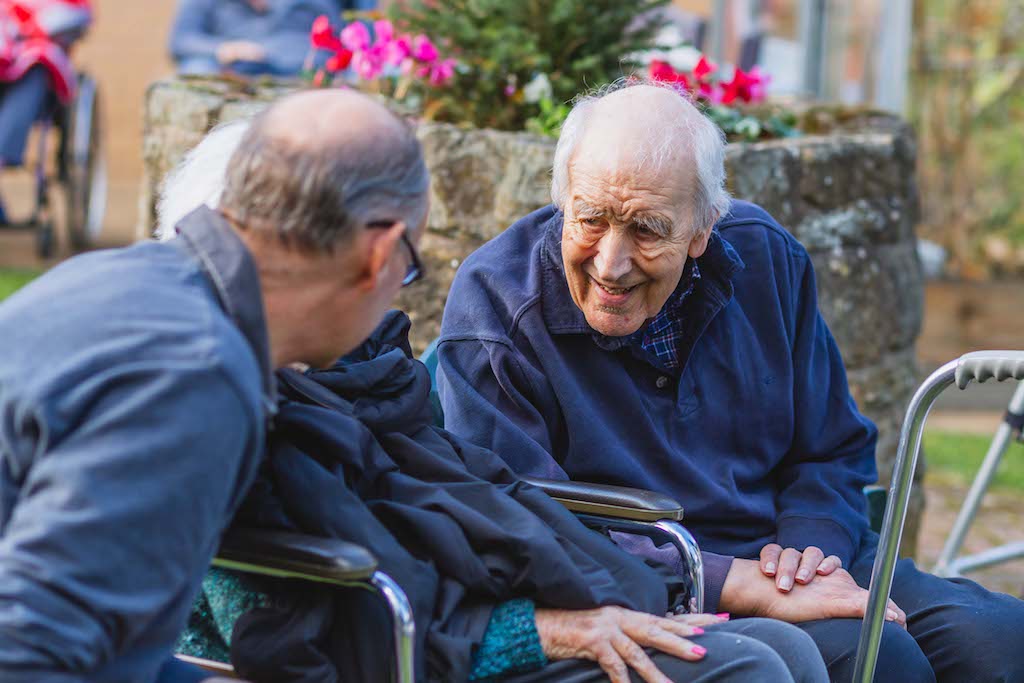
However, home care also has challenges. It can be expensive, especially if round-the-clock support is needed. The family home may need adaptations, such as grab rails, stairlifts, or bathroom modifications. Caring for someone at home can also place a heavy emotional and physical burden on family members, particularly if they are the main carers. Burnout is a real risk, and families should consider their own capacity as part of the decision.
Care homes: specialist support in a dedicated environment
Care homes that specialise in dementia care are designed to meet the needs of people with memory loss and cognitive decline. They offer a structured environment with trained staff who understand the condition and can respond to behaviours such as agitation, wandering, or confusion.
In a care home, the person has access to 24-hour support. Meals, medication, personal care, and activities are all managed by the team. This can provide peace of mind for families who worry about whether their loved one is safe and well when they cannot be there.
Many care homes create a homely atmosphere, with communal lounges, gardens, and private bedrooms that can be personalised with the person’s own belongings. Staff are trained in dementia care techniques, such as validation therapy, reminiscence work, and person-centred approaches that aim to preserve dignity and quality of life.
The social aspect of a care home can also be valuable. Residents have opportunities to interact with others, join group activities, and take part in events that are designed to stimulate memory and engagement. For someone who is lonely or isolated at home, this social contact can be a significant benefit.
On the other hand, moving into a care home is a major change. It can be emotionally difficult for the person with dementia and for their family. Some people may feel they have lost their independence. The cost of a care home is also a factor to weigh, though it may be comparable to the cost of full-time live-in care at home.

When does each option suit best?
Home care tends to work well when the person is in the early to middle stages of dementia, when they are still able to recognise their surroundings and manage much of their daily routine with some help. It also suits families who live nearby and can share the caring role, and when the home environment is safe and can be adapted without excessive cost.
Care homes are often a better fit when the person’s needs become more complex. This might include frequent wandering, incontinence, difficulty swallowing, or behaviours that put them or others at risk. If family carers are struggling to cope, or if the person needs nursing care that cannot be provided at home, a care home can offer the level of support required.
It is also worth considering that some people move into a care home for a trial period, or for respite care, to see how they adjust before making a permanent decision. This can ease the transition and give everyone time to assess what works best.
Making the decision personalised to the individual
The most important factor in any decision about dementia care is the individual’s own wishes and personality. Some people value their independence and privacy above all else, and home care allows them to maintain that for longer. Others thrive on social interaction and benefit from the community and structure of a care home.
Personalised dementia care means looking at the whole person, not just their diagnosis, but their history, preferences, and what brings them comfort and joy. A good care plan, whether at home or in a care home, should be flexible enough to adapt as the condition progresses.
Families can also explore hybrid arrangements. For example, someone might start with home care and later move to a care home when their needs increase. Some care homes offer day care services that allow a person to visit and take part in activities while still living at home. These options can make the transition feel less like a single, irreversible step.

Providers such as The Green Care Group offer residential and dementia care in purpose-built homes, with staff trained to support people through the different stages of the condition. While a care home may not be the right choice for everyone, it can provide a safe and supportive environment when home care is no longer sufficient or sustainable.
Ultimately, the best choice is the one that fits the person’s needs, the family’s circumstances, and the level of care required at each stage. Talking to healthcare professionals, visiting local care homes, and discussing options with the person with dementia (as far as they are able) can all help inform the decision. The Green Care Group is one example of a provider that focuses on creating a homely, supportive environment for residents with dementia, but every family should take the time to find the setting that feels right for their loved one.
There is no perfect answer, but with careful thought and the right information, families can find a path that offers dignity, comfort, and the best possible quality of life for the person they care about.
The Green Care Group on social media
 Facebook